AI Anime Upscaling: Perfect 4x Enhancement for Manga and Illustrations in 2026
Learn how to upscale anime, manga, and illustrations 4x with AI built for line art — sharp edges and clean flat colors where photo upscalers smear them.
Munib Ali Laghari
Founder & Lead Developer
Quick answer
What does "upscale" mean for anime and manga?
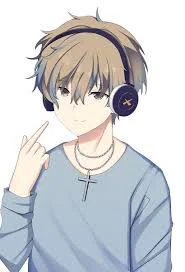
It means increasing an image's resolution — a 500x500 screenshot becoming 2000x2000 — while reconstructing the detail that fills the new pixels, rather than just stretching it. For anime and manga specifically, this only works well with a model trained on line art: a general photo upscaler treats sharp outlines as edges to soften and flat colors as texture to add grain to, blurring exactly what makes the art look clean. A model trained on anime and manga preserves crisp lines, flat cel-shaded colors, and screentones instead.
Before
After
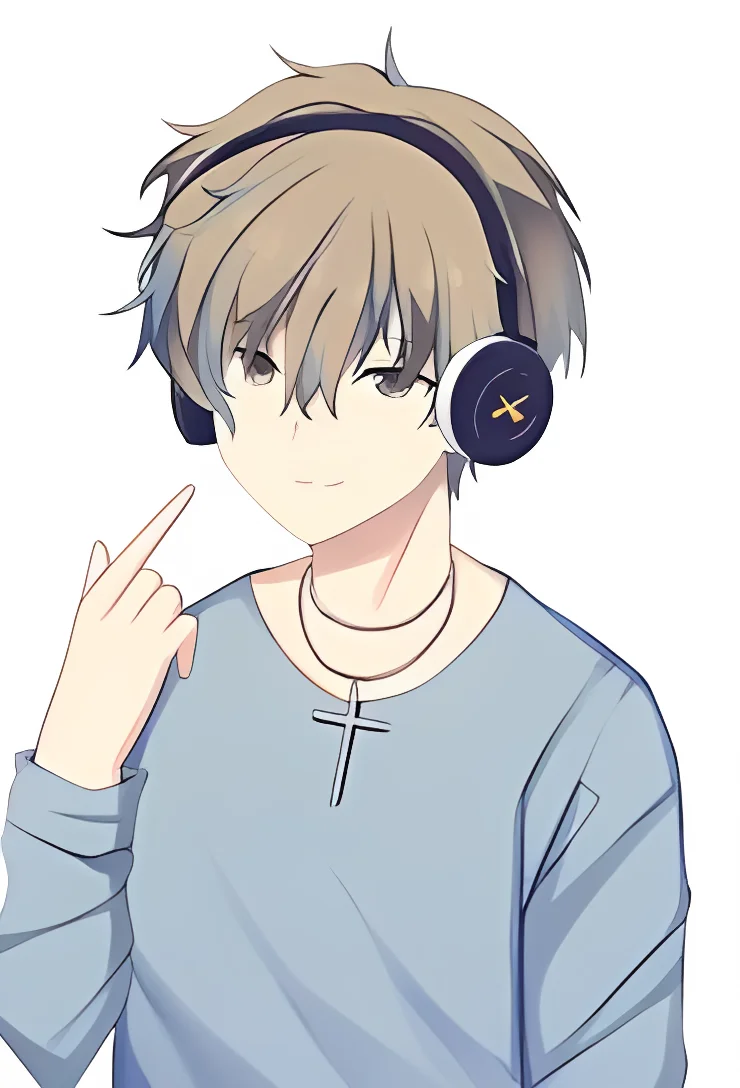
More examples like this: browse before & after results across every tool.
You've found the perfect anime screenshot for your desktop wallpaper—except it's only 800 pixels wide and looks pixelated when stretched across your 4K monitor. Or you're digitizing a beloved manga collection from the 1990s, but the scans are low-resolution and look terrible when you try to enlarge them. Maybe you've downloaded fan art or vintage anime frames that are frustratingly small, and you need them at a higher resolution without losing the crisp lines and vivid colors that make anime art special.
Traditional upscaling methods are a disaster for anime and manga. Standard AI upscalers are trained on photographs, so they treat anime art like real-world images. The result? Line art bleeds and becomes fuzzy. Sharp edges turn soft and blurry. Vibrant flat colors get muddy with unwanted texture. Cell-shaded areas develop strange gradients. The clean, precise aesthetic that defines anime artwork is completely destroyed.
Specialized anime upscaling changes everything. Using AI trained specifically on anime, manga, and illustration styles, this technology understands how these art forms actually work—and preserves exactly what makes them beautiful. (Working with regular photos instead? AI image upscaling is the right tool for those—anime just needs a model trained on its own rules.)
The Anime Art Problem: Why Standard Upscaling Fails
Standard upscaling fails on anime because models trained on photographs interpret sharp outlines as edges to soften and flat colors as textures to add grain to — destroying the crisp lines and solid color blocking that define anime aesthetics. Specialized AI trained exclusively on anime and manga learns what "high quality" means for this art style.
Anime and manga have a fundamentally different visual structure than photographs. While photos are all about continuous tones, natural textures, and organic details, anime art relies on precise line work, solid colors, sharp cel-shading, and clean edges. These aren't "simplified" versions of reality—they're carefully crafted artistic choices that define the entire aesthetic.
When you use a standard photo-trained AI upscaler on anime art, the algorithm doesn't understand these distinctions. It sees sharp black lines and thinks they're edges that need softening. It encounters flat colored areas and tries to add photographic texture. It finds cel-shaded regions and attempts to create smooth gradients. The AI is doing exactly what it was trained to do—make images look more photographic. But for anime and manga, that's exactly the wrong approach.
The results are immediately visible and deeply disappointing. Character outlines become blurred and lose their crisp definition. Eyes—the expressive focal point of anime characters—turn muddy and lose detail. Hair strands that should be sharp and distinct blur together into mush. Backgrounds that rely on precise line work look washed out. Manga panel art loses the clarity that makes text bubbles readable and action sequences dynamic.
Beyond technical degradation, there's an artistic problem. Anime and manga artists make deliberate choices about line weight, color blocking, and stylistic rendering. Standard upscaling doesn't respect these choices—it actively fights against them, trying to make art look more "realistic" when realism was never the goal. Your carefully crafted screenshot or lovingly scanned manga page loses its soul.
How Specialized AI Preserves the Anime Aesthetic
Specialized anime AI preserves the aesthetic by learning from thousands of high-quality anime frames, manga scans, and digital illustrations — recognizing cel-shading patterns, screentone techniques, and the visual conventions that define the art form, then applying that knowledge to reconstruct detail at 4x resolution without introducing photographic texture or softening lines.
AI trained specifically on anime and manga understands what these art forms are trying to achieve. Instead of making images more photographic, it makes them more themselves—sharper lines, cleaner colors, precisely preserved artistic intent, all at higher resolution.
The technology works by learning from thousands of high-quality anime frames, manga scans, and digital illustrations. The AI learns to recognize character outlines, cel-shading patterns, screentone techniques, background art styles, and the countless visual conventions that define anime and manga aesthetics. When you upscale an image, the AI doesn't guess blindly—it applies this learned understanding to reconstruct details that respect the original art style.
Line preservation is where specialized anime AI truly shines. Character outlines remain razor-sharp at 4x the original size. Fine details like eyelashes, hair strands, and delicate facial features are enhanced rather than blurred. Background line work stays crisp and readable. Manga panel borders and speed lines retain their precision. The result looks like the original was drawn at higher resolution, not like a low-res image was stretched.
Color handling is equally impressive. Flat colored areas stay perfectly flat without unwanted texture or noise. Gradients that exist in the original are preserved while maintaining smooth transitions. Cel-shaded regions keep their distinctive stepped appearance. Vibrant anime colors remain saturated and true to the source. Black levels stay deep and consistent. The color palette integrity that makes anime visually striking is completely maintained.
Even complex stylistic elements are handled correctly. Screentones—those dot patterns used in manga for shading and texture—are enhanced rather than destroyed. Motion lines and speed effects stay sharp. Special effects like magical glows or impact bursts maintain their visual punch. Background details like architectural elements or nature scenes are upscaled with appropriate treatment for their artistic style rather than photographic interpretation.
Real Transformations: Anime AI in Action
Most AI image enhancement completes in 10–15 seconds per image at full resolution, meaning an entire anime screenshot collection can be processed in a fraction of the time that manual upscaling would require — and with quality that general-purpose tools simply cannot match on line art.
A die-hard anime collector had spent years building a digital library of classic 1980s and 1990s series. The problem? Most were ripped from old DVDs at 480p or scraped from early streaming sites at low quality. Watching these treasured shows on a modern 4K TV was painful—pixelation everywhere, blurry character designs, washed-out colors. Using specialized anime upscaling, they processed hundreds of episodes, transforming them into crisp 1080p and even 4K versions. Character designs regained their sharp detail, backgrounds became clear and vibrant, and watching classic anime on modern hardware finally felt right. What would have been months of work with traditional upscaling took days, and the quality exceeded anything they'd hoped for.
A manga translator was working on bringing an obscure 1970s manga series to English readers. The only available scans were terrible—low resolution with JPEG compression artifacts making line art barely readable. Traditional image enhancement either kept the quality poor or introduced so much smoothing that artistic detail was lost. Anime-specific upscaling rescued the project. Line art became crisp and clean, screentones were perfectly preserved, and the restored pages looked professional enough for print publication. The translator could finally do justice to a forgotten manga masterpiece.
A content creator running a popular anime YouTube channel faced a constant problem: creating thumbnails and video content with anime screenshots that looked sharp at 1920x1080. Pulling frames from 720p anime sources meant either accepting pixelated thumbnails or spending hours manually cleaning up images in photo editors. After discovering specialized anime upscaling, they built a workflow where every screenshot goes through 4x enhancement before being used in content. Thumbnails look crisp and professional, video overlays are sharp and clear, and the visual quality of the entire channel improved dramatically. Viewers noticed—watch time and engagement both increased.
A digital artist specializing in anime fan art used to work at high resolution from the start, which meant massive file sizes and slower workflows. They switched to creating initial artwork at half resolution, then upscaling the finished piece with anime-specialized AI. The results were identical to working at full resolution from the beginning, but the workflow was faster and more flexible. They could iterate quickly at lower resolution, then get perfect quality in the final upscale. Commission turnaround time decreased while quality remained impeccable.
Getting Perfect Results with Anime Upscaling
The best results come from starting with the highest-quality source material available, since AI can upscale effectively but works better with more information — a Blu-ray rip will always produce better 4x output than a compressed streaming download.
The beauty of specialized anime AI is that it's optimized for one thing and does it extremely well. Unlike general upscaling where you choose between 2x, 4x, or 8x options, anime upscaling is locked at 4x resolution—because that's the sweet spot where quality and file size balance perfectly for most anime and manga applications.
Starting with the best source material makes a significant difference. If you're working from anime screenshots, capture them from the highest quality source available—Blu-ray rips trump streaming, which beats DVD rips, which beats old downloads. For manga scans, scan at the highest DPI your scanner supports before upscaling. Digital illustrations should be saved in lossless formats like PNG rather than compressed JPEGs. The AI can work miracles, but it works better when it has more information to start with.
This technology excels with specific types of content. Digital anime—whether modern shows or digitized classic cel animation—sees outstanding results. Manga and comic scans come out beautifully with preserved screentones and sharp panel art. Digital illustrations in anime style upscale perfectly while maintaining artistic intent. Pixel art with anime characters works well if the pixel aesthetic isn't the primary artistic goal. Fan art and doujinshi benefit enormously from the style-appropriate enhancement.
However, some content is less ideal for this specialized approach. Heavily pixelated content where the pixelation is intentional artistic style (like retro game sprites meant to look chunky) might look better with different processing. Photorealistic anime backgrounds that were painted photographically rather than in anime style might benefit more from photo-focused upscaling. Extremely compressed images with severe artifacts should go through an AI image denoiser before upscaling for best results. 3D-rendered anime-style art sometimes sits in an awkward middle ground between anime and photographic treatment.
Common Use Cases That Benefit Most
Anime Screenshot Collections
Building a library of high-quality anime wallpapers, reference images, or favorite scenes becomes actually viable. Instead of hunting for rare high-resolution versions, you can upscale what you find. That perfect character expression from a 720p episode becomes a crisp 2880p image suitable for any display. Iconic scenes from classic anime look stunning at modern resolutions. Your desktop background, phone wallpaper, and digital art references all maintain the quality they deserve.
Manga Digitization and Preservation
Personal manga collections deserve archival-quality digital versions. Scanning your physical manga and upscaling the scans creates beautiful digital libraries. Old manga with degraded print quality can be rescued and enhanced. Fan translation projects get professional-looking pages suitable for digital distribution or print-on-demand. Historical manga preservation efforts can create high-quality archives from deteriorating source material. Because black-and-white pages have their own demands — chiefly screentone, the halftone shading that photo-trained upscalers read as noise — a model tuned for line art is the right starting point; the free manga and anime upscaler handles panels, pages, and scans.
Content Creation and Social Media
Creating anime-related content requires sharp, clear images. YouTube thumbnails need to look crisp at 1280x720 or higher. Instagram and Twitter posts benefit from high-quality visuals that stand out in crowded feeds. Video essays about anime need clean screenshots that don't look pixelated when displayed at 1080p or 4K. Streaming overlays and graphics stay sharp and professional. Every visual element of your content can maintain quality rather than settling for "good enough."
Fan Art and Creative Projects
Artists working with anime references benefit from clear, detailed source material. Digital artists can work at lower resolutions for speed, then upscale for final delivery. Traditional artists who scan their work get better digital versions. Collaborative fan projects maintain consistent quality across different contributors. Print products like stickers, posters, or art books need high-resolution artwork that this technology delivers.
Technical Excellence: Understanding the Process
AI upscaling can increase effective resolution by 4x while maintaining perceived sharpness — and for anime art, the specialized model achieves this by prioritizing edge sharpness and color consistency over the texture and detail generation that photographic models use.
The specialized anime model uses a neural network architecture specifically designed for preserving line art and flat color regions. Where general-purpose upscaling models focus on texture and detail generation, this model prioritizes edge sharpness and color consistency. The training data consisted entirely of anime, manga, and digital illustrations, teaching the AI what "high quality" means in this specific artistic context.
Processing happens in multiple stages that preserve different aspects of the image. Edge detection identifies line art and preserves it at maximum sharpness. Color region analysis maintains flat areas without introducing unwanted texture. Pattern recognition handles screentones and special effects appropriately. Anti-aliasing is applied selectively to smooth edges without creating blur. The final output combines all these elements into a cohesive 4x enlarged image that respects the original artistic intent.
The fixed 4x scale factor isn't a limitation—it's an optimized choice. At 2x, you're not gaining enough resolution to make the processing worthwhile for most use cases. At 8x, you're pushing beyond what the model can accurately reconstruct without inventing too much detail. At 4x, the quality is exceptional, file sizes remain manageable, and the resolution increase is dramatic enough to transform low-quality sources into high-quality results. A 500x500 pixel image becomes 2000x2000—perfectly suitable for most modern displays and applications. (For photos, where 2x and 8x are both available, our 2x vs 4x vs 8x guide breaks down exactly when each one makes sense.)
Format choices matter for preserving your upscaled results. PNG is ideal for anime and manga because it's lossless and handles sharp edges perfectly. If file size is a concern, high-quality JPEG (95-100%) works reasonably well for anime since the compressed areas are mostly flat colors rather than complex textures. Avoid low-quality JPEG compression—you didn't enhance your images just to destroy them with compression artifacts. For images with transparency (like character cutouts), PNG is your only choice unless you're working with WebP, which offers good compression with transparency support.
Combining with Other Enhancement Tools
Anime upscaling works beautifully as part of a larger enhancement workflow. If your source images are noisy or have compression artifacts, run denoising first to clean them up before upscaling. The upscaler will faithfully reproduce noise and artifacts at 4x size if you don't remove them first, which wastes the potential of the enhanced resolution.
For manga scans with dust, scratches, or printing imperfections, consider selective inpainting to clean problem areas before upscaling. Small defects that are barely visible at low resolution become obvious at 4x, so addressing them first yields cleaner final results.
After upscaling, you might want to apply format conversion to create web-optimized versions. A 2000x2000 PNG is perfect for archival, but you might want a compressed JPEG or WebP version for web use. Converting after upscaling preserves quality where it matters while allowing efficient delivery.
If you're working with complete manga pages that include both line art and photographic backgrounds, you might upscale the entire page with anime settings first, then selectively enhance photographic areas with photo-focused tools. The workflow is more complex but yields optimal results for mixed-content images.
The Freedom of High-Resolution Anime Art
Specialized anime upscaling isn't about making low-quality art acceptable—it's about unlocking the full potential of art that was created with care but trapped in low resolution. That screenshot from your favorite anime scene can finally become the wallpaper it deserves to be. Those manga scans you made years ago can be transformed into archival-quality digital books. The fan art you love but could only find in small sizes becomes suitable for printing or high-quality display.
The technology respects the artistic intent of the original creators while bringing technical quality up to modern standards. Lines stay sharp because they were meant to be sharp. Colors stay vibrant because they were meant to be vibrant. The artistic vision is preserved and enhanced, not reinterpreted through a photographic lens.
For anyone who loves anime, manga, or illustration art, this tool solves a problem that's frustrated fans for decades: how to enjoy beloved artwork at the quality it deserves, regardless of how it was originally distributed or preserved.
Ready to Enhance Your Anime Collection?
Upload any anime screenshot, manga scan, or digital illustration and watch specialized AI transform it into a crisp 4x high-resolution masterpiece. The technology understands anime art in a way that generic upscalers never can, preserving the sharp lines, vibrant colors, and distinctive style that make these art forms special.
No more accepting pixelated screenshots. No more settling for blurry manga scans. No more compromising on wallpaper quality because high-resolution versions don't exist. Just beautiful, crisp anime and manga art at the resolution modern displays demand.
Try our specialized anime upscaling tool now and see your favorite artwork the way it was meant to be seen.
Found this helpful?
Share it with your network
Ready to try it yourself?
25 free credits to start, then 10 every month. No credit card. Process your first image in under 15 seconds.
Try Anime Upscaler freeMunib Ali Laghari
Founder & Lead Developer · EnhanceCraft
Munib Ali Laghari is the founder and lead developer of EnhanceCraft, an AI image toolkit. He writes about AI upscaling, photo restoration, and background removal. Connect on LinkedIn