Twilight Real Estate Photos: Real vs Virtual Twilight in 2026
Real vs virtual twilight real estate photos: when a dusk shoot is worth it, when an edit is enough, what time to shoot, and what California’s AB 723 requires.
Munib Ali Laghari
Founder & Lead Developer
Quick answer
What is virtual twilight in real estate photography?
Virtual twilight (day-to-dusk) edits a daytime exterior to look as if it was shot just after sunset: a dusk or blue-hour sky, an evening grade, and warm glowing windows. It costs far less than a real twilight shoot, but it can’t honestly show lighting the home doesn’t have. EnhanceCraft does it from one daytime photo.
Before
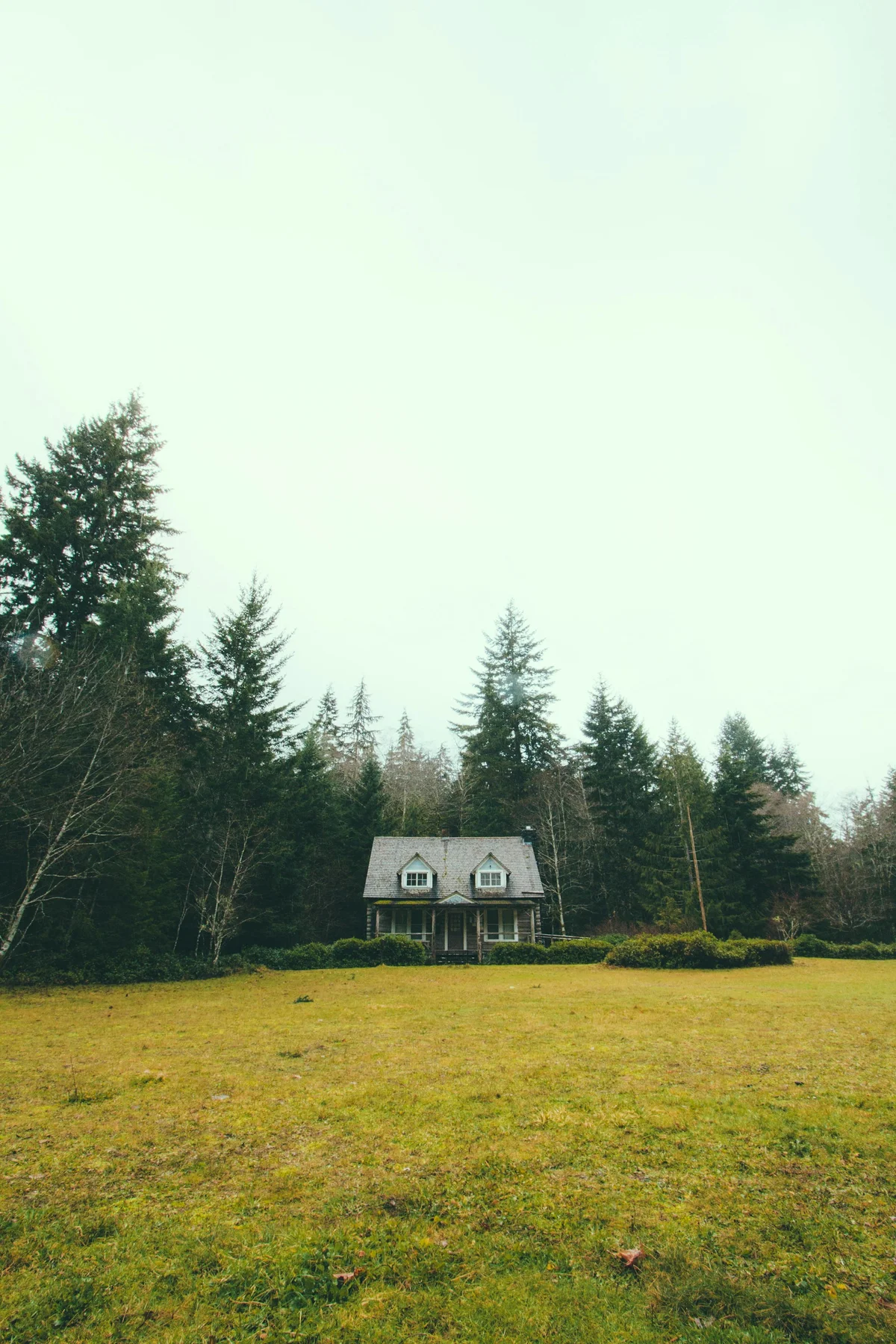
After
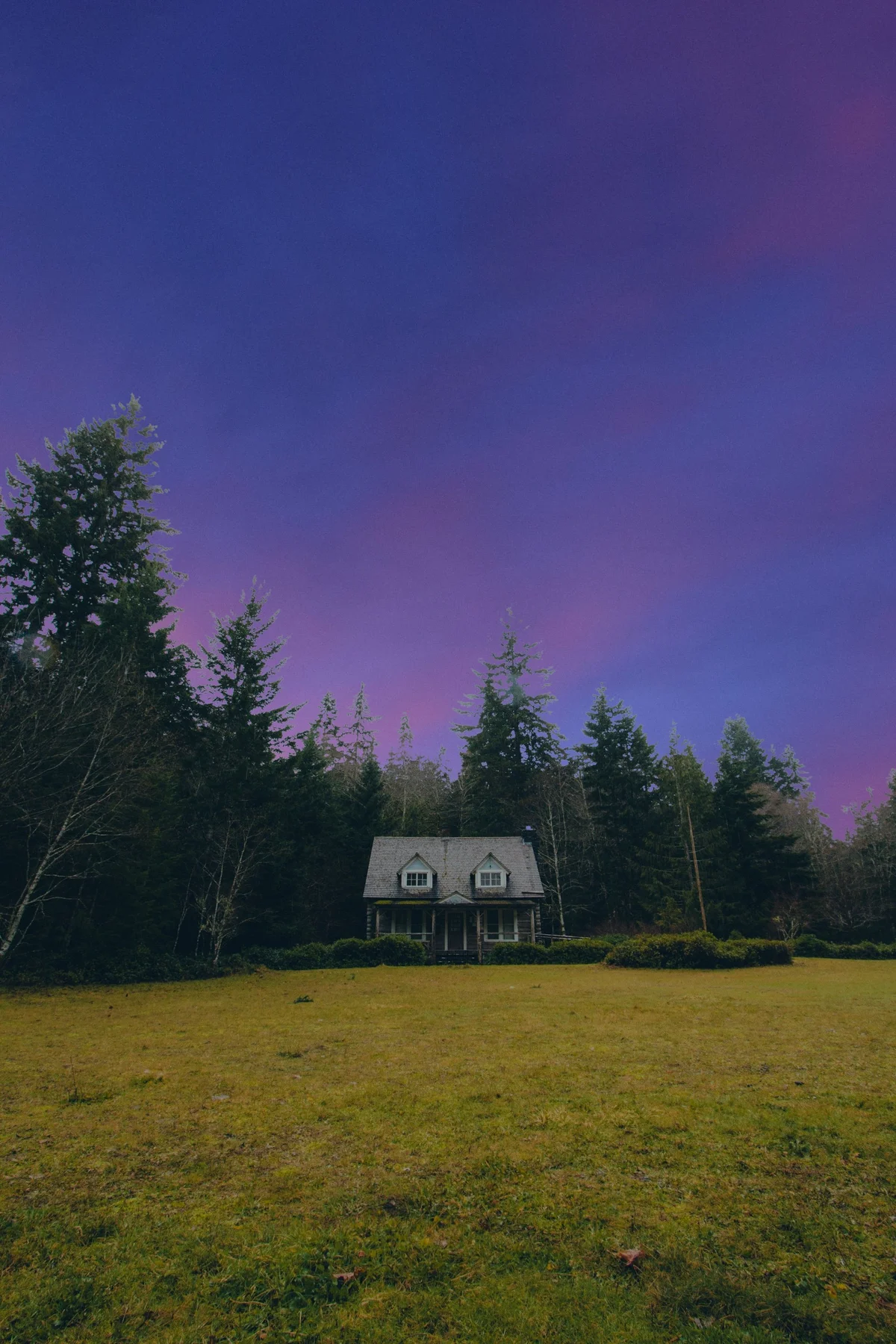
More examples like this: browse before & after results across every tool.
Twilight real estate photos show a home just after sunset: a deep evening sky, warm light in the windows, and the exterior still clearly visible. There are two ways to get one. A real twilight shoot means a photographer comes back at dusk and captures it in camera. Virtual twilight edits a daytime exterior so it looks like dusk. A real shoot is more accurate and can show lighting the home really has. Virtual twilight costs less, needs no second visit, and works on photos you already took.
The catch with the real thing is the clock. The light you want lasts only a short while after sunset, it happens once a day, and clouds can cancel it. If your exterior shoot happened mid-morning, or you had three other homes to cover that day, a dusk return trip is a real cost. Virtual twilight exists to solve exactly that problem.
This guide helps you choose between the two. It covers what each one can and can't show, when to schedule a real dusk shoot, which listings are worth a twilight photo at all, what the evidence on results actually says, and what you have to disclose.
What Is Virtual Twilight?
Virtual twilight is a daytime exterior photo edited to look as if it was taken just after sunset. You'll also see it called day-to-dusk or a twilight conversion; they're the same edit. Three things change:
- ●The sky is replaced with a dusk or blue-hour sky.
- ●The rest of the scene is regraded to evening light: darker overall, with cooler shadows and warmer highlights.
- ●The windows are warmed and brightened so the home looks lit from inside.
Some editors go further and add lights that weren't on, or don't exist: porch lamps, landscape uplights, a glowing pool. That's the riskiest part of the edit, for honesty and for disclosure, and we come back to it below.
Real vs Virtual Twilight: Which Should You Use?
Use a real twilight shoot when the evening lighting is itself a selling point. Use virtual twilight when you want a twilight lead photo from a daytime shoot without going back. Here's how they compare:
| Factor | Real twilight shoot | Virtual twilight |
|---|---|---|
| What the photo shows | Lighting the home actually has, captured on site | A daytime photo regraded; window light is simulated |
| Scheduling | A return visit in a short window after sunset, weather permitting | Any time, from a photo you already have |
| Pools, water, reflections | Real reflections of real lights | Hard to fake convincingly |
| Shadows | Soft, even dusk light | Daytime shadows stay where the sun put them |
| Consistency across a set | The light changes minute to minute | The same look on every frame |
| Cost | A second appointment, usually billed as an add-on | A per-image edit; 3 credits on EnhanceCraft |
When a real twilight shoot is the better call
- ●The home has lighting worth showing. Landscape lighting, a lit pool, a fire pit, or architectural uplights look best when they're photographed for real. Adding them in an edit means showing buyers something they won't see at a showing unless it truly exists.
- ●Water is part of the shot. Pools, lakes and wet driveways reflect light, and those reflections are where virtual edits most often look fake.
- ●The daytime photo has hard midday shadows. An evening grade darkens the scene, but a sharp noon shadow stays sharp. The result can read as midday under a sunset sky.
- ●The view at night sells the home. City lights or a valley below can't come from a daytime frame.
- ●It's a flagship listing where the lead photo carries the whole campaign and the budget allows a second visit.
For everything else (a well-kept house with good windows, shot on a decent day), virtual twilight gets you most of the effect for a fraction of the effort.
When Are Twilight Real Estate Photos Taken?
Real twilight photos are taken in the minutes just after sunset, during civil twilight. The US National Weather Service defines evening civil twilight as beginning "at sunset" and ending "when the geometric center of the sun is 6 degrees below the horizon." That's the stretch where the sky still holds deep color, interior lights start to read clearly against it, and the exterior isn't yet lost in shadow.
How long that window lasts depends on where you are and the time of year, and the sunset time itself moves by hours between winter and summer. Before booking a dusk shoot, look up sunset and civil twilight for the property's exact location with NOAA's Solar Calculator, then arrive early enough to have every light on and the camera set up before the sun goes down.
That timing is the real argument for virtual twilight. A photographer can catch one property per evening, and a cloudy evening means trying again tomorrow. A daytime shoot can cover several homes in one day.
Do Twilight Photos Help a Listing Sell?
We couldn't find a published study that isolates the effect of twilight photos. The "76% more views" figure that circulates on photography sites doesn't trace back to any study we could locate, so we don't repeat it. What *is* documented is the value of strong listing photography in general:
- ●Professionally photographed homes in the Chicago metro sold in an average of 89 days versus 123 for other homes, about 32% faster, in VHT Studios' analysis of 2013 sales.
- ●In a 2013 Redfin study, the sharpest 10% of listing photos sold at or above list price 44% of the time, against 13% for listings with average sharpness.
- ●In the NAR 2024 Profile of Home Buyers and Sellers, 41% of buyers found photos very useful, ahead of detailed property information (39%) and floor plans (31%).
Read those honestly: they're about professional photography overall, not twilight, and the first two use 2013 data. The reasonable conclusion is narrower than "twilight sells homes faster". Buyers lean heavily on photos, the lead photo is the thumbnail that wins or loses the click in search results, and a twilight exterior is one way to make that thumbnail stand out. Treat it as a click-earning edit on a listing that's already good, not as a sales guarantee.
Which Listings Are Worth a Twilight Photo?
Twilight pays off on detached homes with something to light up. Good candidates have big front-facing windows, a clearly visible facade, landscaping or outdoor living space, and a clean daytime exterior to start from.
Think twice, or skip it, when:
- ●It's a condo or apartment. The building's exterior usually isn't what the buyer is paying for, so put the effort into the interiors.
- ●There's no clean wide exterior, as with many attached townhouses.
- ●The facade is flat with small windows. With little glass, there's little glow, and the photo just looks dark.
- ●The only daytime exterior has harsh noon shadows. Book a real dusk shoot or reshoot the exterior on a softer day.
Either way, use one twilight image as the lead and keep the daytime set alongside it. Buyers still want to see the house as it looks when they visit.
What Our Day-to-Dusk Tool Changes (and What It Doesn't)
EnhanceCraft's day-to-dusk tool swaps the sky for a real photographed dusk or blue-hour sky, regrades the rest of the photo to evening tones, and warms the windows. It doesn't generate new pixels for the house itself: nothing is drawn in, moved, or removed. Here is exactly what happens to your photo.
What it changes:
- ●The sky. AI finds the sky region and composites a real dusk or blue-hour sky photo into it, or your own sky if you upload one. The mask is refined along real edges, so rooflines and branches stay crisp.
- ●Everything else. The foreground is darkened, shadows are cooled toward blue, highlights are warmed toward amber, and the colors are nudged slightly toward the new sky so the two read as one scene. The house's colors shift the way they would under a photographer's evening grade, but its shape, materials and surroundings are what you shot.
- ●The windows. Detected window glass is warmed and brightened, with a soft glow spilling around it.
What it doesn't do:
- ●It doesn't add porch lights, landscape lights, or pool glow. That keeps the result on the honest side of the line: no fixtures the home doesn't have.
- ●It doesn't move shadows. A hard midday shadow stays put, which is why softer daytime light gives better results.
- ●It needs sky in the frame. A photo with almost no visible sky, such as an interior or a tight crop, comes back unchanged.
- ●A custom sky must be mostly sky. The tool crops your upload to its sky region and rejects an image that's mostly buildings or horizon.
You control the look with a choice of dusk, blue hour or your own sky; a dusk-strength slider; window glow on or off with its own strength; and a toggle that blends the scene's colors toward the new sky.
How to Create a Virtual Twilight Photo
- 1.Upload the original daytime exterior rather than a heavily HDR-processed version. JPG, PNG or WebP up to 25 MB (50 MB on paid plans). On the free plan the tool works at up to 5 megapixels, and larger photos are reduced automatically before upload.
- 2.Pick dusk or blue hour, or upload your own sky. Leave window glow on.
- 3.Set the dusk strength. Go lighter on a modest home shot in flat light; go deeper on a large home with lots of visible sky.
- 4.Download the result. On the free plan, results carry a small watermark and downloads are capped at 1,200 pixels on the long edge. That's enough to judge the look; for a full-resolution listing file you need a paid plan or a pay-as-you-go credit pack.
To give every exterior in a shoot the same evening look, run them together in batch mode with the same settings. A front, side and rear exterior that share one sky and one grade read as a single professional shoot; a mix of daytime and twilight frames of the same house looks patched together.
Dusk vs Blue Hour: Which Look to Pick
| Look | Best for |
|---|---|
| Dusk | The safe default: a warm evening sky that flatters almost any home |
| Blue hour | Cooler and more modern; suits contemporary, glass-heavy homes |
| Your own sky | Matching a brand palette or a real local sunset |
If you're unsure, start with dusk. Blue hour works when the cooler palette looks intentional, as on a glass-and-steel build; on a traditional brick home it can feel cold.
How to Make Virtual Twilight Look Real
A believable twilight photo comes down to a few habits:
- ●Start from a clean original. Heavy HDR processing bakes halos and flat skies into the photo, which makes the sky edge harder to find.
- ●Keep the glow modest. Lit windows make a home feel occupied, but every window blazing at full strength looks staged. Turn the glow down on homes with a lot of glass.
- ●Match the strength to the home. A deep dusk suits a large home under a big sky. A smaller home in flat light looks heavy and artificial at the same setting.
- ●Pick daytime photos with soft light. Overcast or early-morning exteriors convert best, because there are no hard shadows to contradict the sunset.
- ●Never add lights the home doesn't have. If the garden has no uplights, the twilight photo shouldn't either.
- ●Run one photo first. Dial in the look on a single frame, then apply the same settings to the rest of the set.
Is Virtual Twilight Allowed in Real Estate Listings?
Yes, virtual twilight is a common, accepted edit, but some places require you to label it. The clearest rule is California's Assembly Bill 723, in force since January 1, 2026. When a licensee uses a "digitally altered image", the advertisement must carry a reasonably conspicuous statement that the image has been altered, plus a link, URL or QR code to the original, unaltered image.
Does twilight count? The law excludes images where "only lighting, sharpening, white balance, color correction, angle, straightening, cropping, exposure, or other common photo editing adjustments are made that do not change the representation of the real property." An evening grade and window glow are lighting changes. The sky swap is the open question. The law's list of altered elements is open-ended ("including, but not limited to") and covers "elements outside of, or visible from, the property", but it doesn't name the sky. We walked through that grey zone in our sky replacement guide. Because every virtual twilight includes a sky swap, the safe course in California is to treat it as altered: label it and link the daytime original.
Outside California, the national baseline is NAR's Standard of Practice 12-10, which bars REALTORS from manipulating listing content "in any way that produces a deceptive or misleading result." Individual MLSs add their own photo rules; our MLS photo requirements checklist compares the photo rules nine boards publish, and our look at what changed in real estate photography in 2026 covers the wider disclosure shift.
The practical rule that works everywhere: change the time of day, never the property. Don't add lights the home doesn't have, keep the daytime original, and label the image wherever your state or board requires it. This isn't legal advice, so if you're unsure, ask your brokerage.
Twilight in a Full Listing Workflow
A twilight photo is usually just the lead image, and it sits alongside the rest of the listing edit:
- ●Sky replacement is the daytime counterpart. It swaps a grey sky for a clear one when you want a bright lead photo instead of an evening one.
- ●Window pull recovers the view through blown-out interior windows.
- ●Virtual staging furnishes empty rooms so the inside matches the inviting exterior.
- ●The real estate photo editor bundles the standard corrections (geometry, noise, color, lawn) into one job.
For how these fit together, see the complete real estate workflow. For an even-handed comparison with other tools, including ones with their own twilight features, see our roundup of the best AI tools for real estate photos. EnhanceCraft is an AI image toolkit that runs in the browser, with nothing to install.
Frequently Asked Questions
What is virtual twilight in real estate photography? Virtual twilight is a daytime exterior photo edited to look as if it was taken just after sunset. The sky is replaced with a dusk or blue-hour sky, the scene is regraded to evening light, and the windows are warmed so the home looks lit from inside. It's also called day-to-dusk or a twilight conversion.
Is virtual twilight as good as a real twilight shoot? For most listings it gets close, at a fraction of the effort. A real shoot still wins when the home's own lighting, a pool, water reflections, or a night view is part of the appeal, because a virtual edit can't honestly show light that wasn't there.
What time are twilight real estate photos taken? Just after sunset, during civil twilight: the period from sunset until the sun is 6 degrees below the horizon, as the National Weather Service defines it. The exact time and length vary by location and season, so check the property's sunset time before booking.
Do you have to disclose virtual twilight photos? In California, treat it as yes. AB 723 exempts edits that change only lighting and similar adjustments, but a virtual twilight also swaps the sky, which the law doesn't clearly exempt. So label the image as altered and link the original. Elsewhere, follow your MLS rules and NAR's ban on misleading images.
Which homes are worth a twilight photo? Detached homes with large front windows, a visible facade, and landscaping or outdoor living space. Skip it for condos, attached homes with no clean wide exterior, and flat facades with small windows, where there's little to light up.
Is EnhanceCraft's day-to-dusk tool free to use? You can convert 1 photo a day free without an account. A free account gets 25 credits to start, then 10 every month, and day-to-dusk costs 3 credits per image. On the free plan, results carry a small watermark and downloads are capped at 1,200 pixels; pay-as-you-go credits never expire.
Turn a Daytime Exterior Into a Twilight Lead Photo
If the listing deserves a twilight hero and the evening lighting isn't the selling point, you don't need a second visit. Upload the daytime exterior, pick dusk or blue hour, keep the glow modest, and label the result where your market requires it.
Try our free day-to-dusk tool on your next exterior and see whether it earns the lead spot.
Found this helpful?
Share it with your network
Ready to try it yourself?
25 free credits to start, then 10 every month. No credit card. Most images are ready in about 7 to 15 seconds.
Try Day-to-Dusk freeMunib Ali Laghari
Founder & Lead Developer · EnhanceCraft
Munib Ali Laghari is the founder and lead developer of EnhanceCraft, an AI image toolkit. He writes about AI upscaling, photo restoration, and background removal. Connect on LinkedIn